Hand Surgery: When to See a Plastic Surgeon
Discover when hand conditions require a plastic surgeon's expertise, including traumatic injuries, nerve and tendon repairs, and congenital hand deformities treated by Dr. Prasanna Somvanshi in Mumbai.
Dr. Prasanna Somvanshi
MCh Plastic Surgery, Mumbai
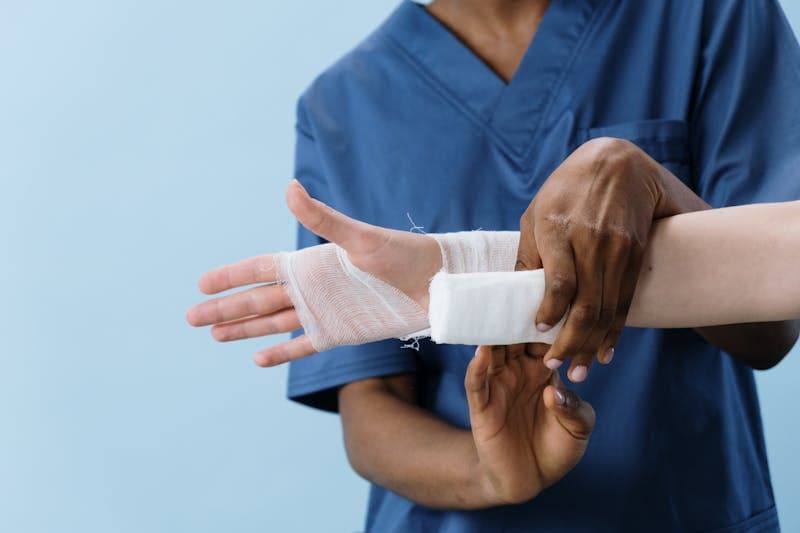
The Role of a Plastic Surgeon in Hand Surgery
The hand is one of the most complex and functionally important parts of the human body, containing 27 bones, numerous joints, tendons, nerves, blood vessels, and intricate soft tissue structures. When the hand is injured or affected by disease, specialised surgical expertise is needed to restore function and appearance. Plastic surgeons are uniquely trained to perform hand surgery because their training encompasses microsurgery, nerve repair, tendon surgery, soft tissue reconstruction, and management of complex wounds.
Dr. Prasanna Somvanshi, a board-certified plastic surgeon in Mumbai, has extensive experience in hand surgery, having trained at the renowned JJ Hospital where high-volume trauma and hand surgery cases are routinely managed. He provides hand surgery services at SevenHills Hospital, HN Reliance Foundation Hospital, NH SRCC, MRR Hospital, Surya Hospital, and Sushrusha Hospital in Mumbai.
Common Hand Conditions Treated by Plastic Surgeons
Traumatic Hand Injuries
Traumatic injuries to the hand are among the most common reasons patients seek a plastic surgeon. These include:
- Fractures – Broken bones in the fingers, hand, or wrist that may require surgical fixation with pins, plates, or screws.
- Crush injuries – Industrial and machinery accidents can cause severe damage to multiple structures requiring complex reconstruction.
- Amputations – Traumatic finger or hand amputations may be treated with replantation (reattachment) using microsurgical techniques when feasible.
- Lacerations – Deep cuts that damage tendons, nerves, or blood vessels beneath the skin.
- Degloving injuries – Where skin and soft tissue are stripped from the underlying structures, often seen in ring avulsion injuries.
Prompt surgical treatment by a trained hand surgeon is critical for achieving the best functional outcomes after traumatic injuries.
Nerve Repair and Reconstruction
Nerve injuries in the hand can result in loss of sensation, weakness, or inability to move certain fingers. Dr. Prasanna Somvanshi performs:
- Primary nerve repair – Direct stitching of a severed nerve when the ends can be approximated without tension.
- Nerve grafting – When a gap exists between nerve ends, a nerve graft (typically from the patient's own body) is used to bridge the defect.
- Nerve transfers – In complex cases, a functioning nerve is redirected to restore critical functions.
Nerve recovery is a gradual process that can take months, and microsurgical precision during the initial repair is the most important factor determining the final outcome.
Tendon Repair
Tendons connect muscles to bones and are essential for hand movement. Tendon injuries can be classified as:
- Flexor tendon injuries – Affect the ability to bend the fingers. These are particularly challenging to repair and require meticulous surgical technique and structured post-operative rehabilitation.
- Extensor tendon injuries – Affect the ability to straighten the fingers. Conditions like mallet finger and boutonniere deformity fall into this category.
Post-operative hand therapy is a crucial component of tendon repair recovery. Dr. Somvanshi works closely with hand therapists to ensure patients regain maximum function.
Congenital Hand Deformities
Some children are born with hand abnormalities that require surgical correction. Common congenital hand conditions include:
- Syndactyly – Fused or webbed fingers that need to be surgically separated.
- Polydactyly – Extra fingers that may require removal and reconstruction.
- Constriction band syndrome – Bands of tissue that wrap around fingers or limbs, potentially restricting blood flow.
- Radial or ulnar club hand – Absence or underdevelopment of forearm bones affecting hand position and function.
Early surgical intervention, often within the first 1-2 years of life, can significantly improve hand function and allow normal development. Dr. Prasanna Somvanshi's paediatric surgical experience, particularly at NH SRCC Children's Hospital, makes him well-equipped to handle these delicate cases.
Other Hand Conditions
Plastic surgeons also treat chronic conditions such as:
- Dupuytren's contracture – Thickening of tissue beneath the palm causing finger contracture
- Carpal tunnel syndrome – Compression of the median nerve at the wrist
- Trigger finger – A tendon disorder causing the finger to lock in a bent position
- Ganglion cysts – Fluid-filled lumps near joints or tendons
When to Seek Help
If you experience a hand injury, numbness, inability to move your fingers, or have a child with a congenital hand deformity, consult a qualified plastic surgeon promptly. Dr. Prasanna Somvanshi provides comprehensive hand surgery services across Mumbai. Early evaluation and treatment yield the best results. Contact his clinic to schedule a consultation.
Need Expert Advice?
Consult Dr. Prasanna Somvanshi for personalised guidance on your treatment options.